Table of Contents
Overview of Family Living Costs
The cost of living in Newfoundland for a family is generally lower than in most major Canadian provinces, making it an attractive option for families looking for affordability and quality of life. Located in Newfoundland and Labrador, the region offers lower housing costs but slightly higher prices for imported goods like groceries.
On average, a family of four can expect to spend between $4,000 and $6,500 CAD per month, depending on lifestyle, location, and housing choices.

Housing Costs in Newfoundland
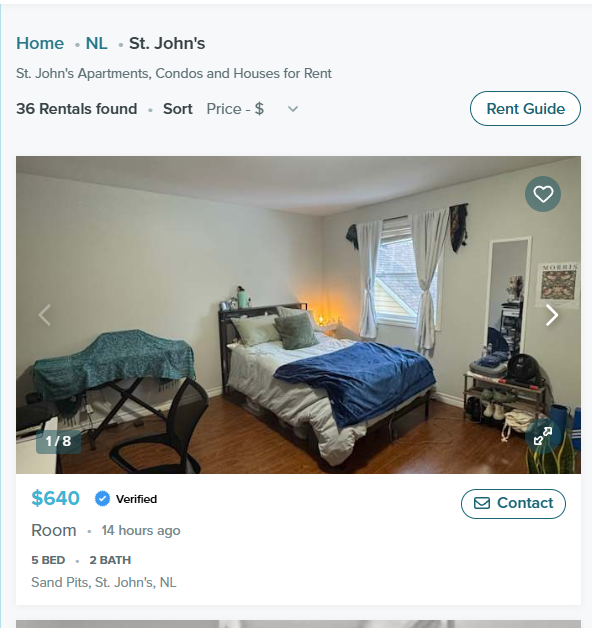
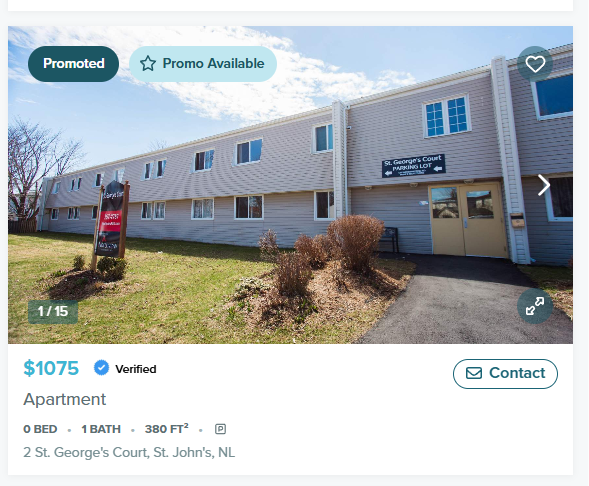
Housing is the largest expense for most families. Families living in St. John’s typically pay more than those in smaller towns. The data below is based on prices in St. John’s.
Average Monthly Rent:
| Property Type | Cost |
|---|---|
| Room | $600+ |
| 1-bedroom apartment | $1000+ |
| 2-bedroom apartment | $1,200+ |
| 3-bedroom house | $1,500+ |
| Larger homes | $2,100+ |
Grocery Expenses for Families
Groceries are one of the biggest ongoing expenses.
Average monthly grocery cost according to IENL (International Education Newfoundland and Labrador) is 300$ per person:
Family of 4: $800 – $1,300
| Product | Price |
|---|---|
| Milk (1L) | $2.50 – $3.50 |
| Bread | $3.00 – $5.00 |
| Chicken (1kg) | $12 – $18 |
| Fresh vegetables | $4 – $8/kg |
Transportation Costs
Transportation costs depend on whether a family owns a car.
Monthly Costs:
- Public transport (per adult): $80 – $100
- Car expenses (fuel, insurance): $400 – $800
Public transit is available in cities like St. John’s through Metrobus Transit, but many families prefer owning a vehicle, because of the lack of development of public transportation.
Utilities and Internet
Average Monthly Bills:
| Service | Cost |
|---|---|
| Electricity & heating | $200 – $350 |
| Internet | $80 – $120 |
| Mobile plans (family) | $120 – $250 |
Providers include Bell Canada and Rogers Communications.
Childcare and Education Costs
Childcare and education are important factors when calculating the cost of living in Newfoundland for a family, especially for households with young children. While public education is largely free, childcare services and additional school-related expenses can significantly impact a family’s monthly budget.
Childcare Costs
Childcare in Newfoundland and Labrador can vary depending on the child’s age, type of care, and whether families qualify for government subsidies.
Average Monthly Costs:
- Daycare (full-time): $300 – $800
- Part-time daycare: $200 – $500
- After-school programs: $100 – $300
It’s worth mentioning that many families benefit from provincial childcare subsidies, which can significantly reduce costs, especially for low- and middle-income households.
Types of Childcare include:
- Licensed daycare centers
- Home-based daycare providers
- After-school care programs
Education Costs
Public education in Newfoundland is free for residents, which helps lower the overall cost of living in Newfoundland for a family. However, families should still budget for additional expenses throughout the school year. Also, if you are interested in a more in-depth review of expenses for the education of students, you should visit this article.
Common School Expenses:
| Category | Estimated Cost (Annual) |
|---|---|
| School supplies | $100 – $300 |
| Clothing & uniforms | $200 – $500 |
| Extracurricular activities | $100 – $600 |
| Field trips | $50 – $200 |
Additional Education-Related Costs
Even though tuition is not required for public schools, many families choose to invest in their children’s development.
These may include:
- Private tutoring ($20 – $50/hour)
- Sports programs (soccer, hockey, etc.)
- Music or art classes
- Educational software or subscriptions
These optional expenses can add $50 to $300+ per month, depending on the child’s activities.
Pro Tip for Families
To better manage childcare and education costs:
- Apply for government subsidies early
- Look for bundled after-school programs
- Buy school supplies during seasonal sales
- Consider community programs, which are often cheaper than private ones
Childcare and education expenses can vary widely, but with proper planning, they remain manageable. Understanding these costs is essential when estimating the cost of living in Newfoundland for a family and building a realistic monthly budget.
Healthcare Costs
Healthcare is publicly funded through Newfoundland and Labrador Health Services.
Typical Costs:
- Doctor visits: Free
- Prescription drugs: $10 – $100
- Dental care: Partially covered or private
Average Family Income
Understanding income levels is essential when evaluating the cost of living in Newfoundland for a family, as salaries can vary significantly depending on industry, experience, and location. While wages are generally lower than in larger Canadian cities, lower expenses (especially housing) are helping to keep a balance between income and expenses.
Median Household Income
- Median household income: $70,000 – $100,000 per year
- Average individual salary: $45,000 – $65,000 per year
For many families, having two working adults makes it easier to cover monthly expenses and maintain a stable lifestyle comfortably.
Common Industries and Salaries
Healthcare
Healthcare is one of the крупнейших и самых стабильных секторов в Newfoundland and Labrador.
Typical roles:
- Nurses
- Medical technicians
- Support staff
Average salaries:
- $50,000 – $90,000/year
Oil & Gas
The oil and gas industry plays a major role in the local economy.
Typical roles:
- Engineers
- Technicians
- Offshore workers
Average salaries:
- $70,000 – $120,000+/year
Construction
Construction continues to grow due to infrastructure and housing demand.
Typical roles:
- Electricians
- Plumbers
- General laborers
Average salaries:
- $45,000 – $80,000/year
Public Sector
The public sector includes government jobs, education, and administrative roles.
Typical roles:
- Teachers
- Office administrators
- Government employees
Average salaries:
- $50,000 – $85,000/year
More relevant jobs can be found via the Job Bank of Canada.
Income vs Cost of Living
Even though salaries in Newfoundland may be lower compared to cities like Toronto or Vancouver, the overall cost of living in Newfoundland for a family is also significantly lower.
This means that:
- Families can afford larger housing
- Monthly expenses are more manageable
- Work-life balance is often better
Overall, income levels in Newfoundland and Labrador provide a solid foundation for a comfortable lifestyle, especially when combined with the region’s relatively low living costs.
How these figures are sourced?
Final Thoughts
The cost of living in Newfoundland for a family is relatively affordable compared to other parts of Canada, especially due to lower housing costs. While groceries and transportation can be slightly more expensive, families benefit from a safe environment, strong communities, and access to public services.
For families seeking a quieter lifestyle with a lower cost of living, Newfoundland and Labrador remains an excellent choice in 2026.